Build a Video Campaign That Can Travel
 Creative Studio Editorial
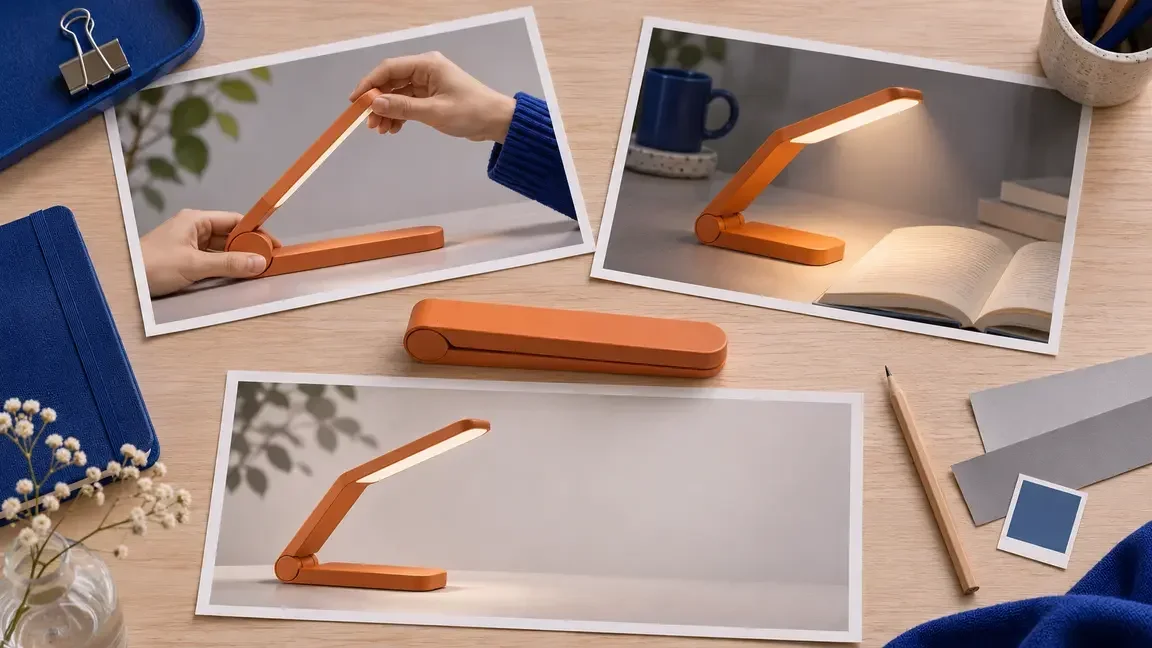
A launch team has a fifteen-second film for a folding reading lamp. The opening shows the lamp opening on a desk, the middle shows a page lighting up, and the final card points to a local shop. In another market, the product comes in a different color and the shop has a longer name. If those details are part of the only finished render, even a small local change can turn into a second edit.
Protect the idea and identify what can change
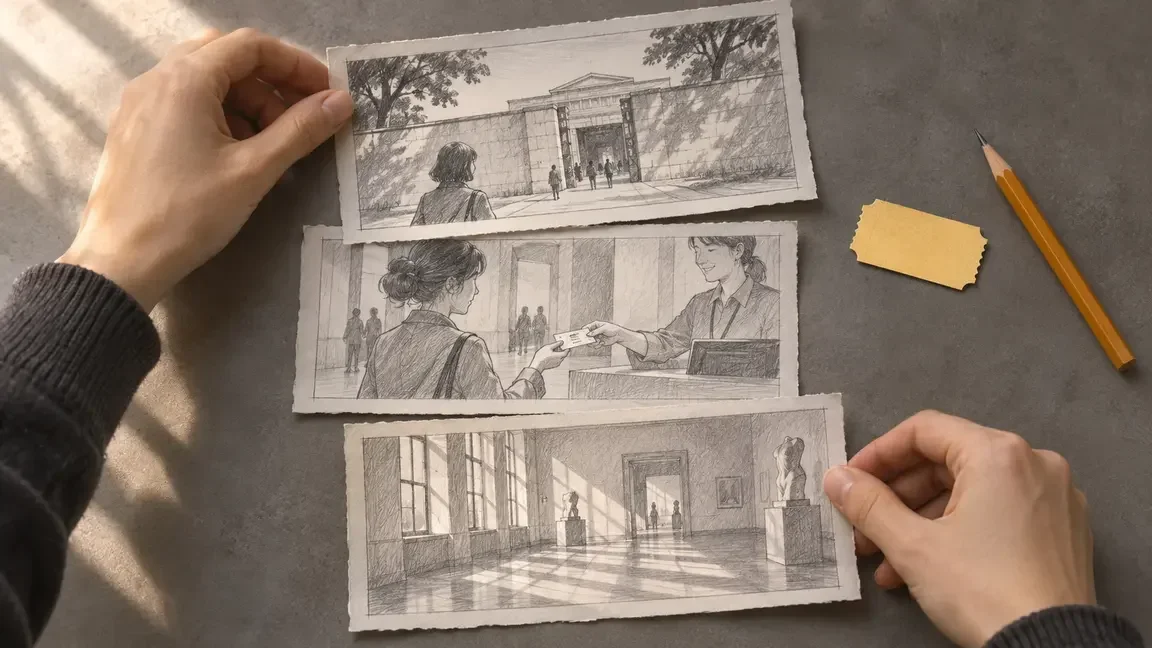
Write one sentence that describes the scene the campaign should communicate everywhere. For the lamp, it could be “A small lamp turns an ordinary corner into a place to read.” Then identify the footage that earns that idea. The hand unfolds the lamp, a pool of light lands on the page, and the viewer gets a moment to imagine using it.
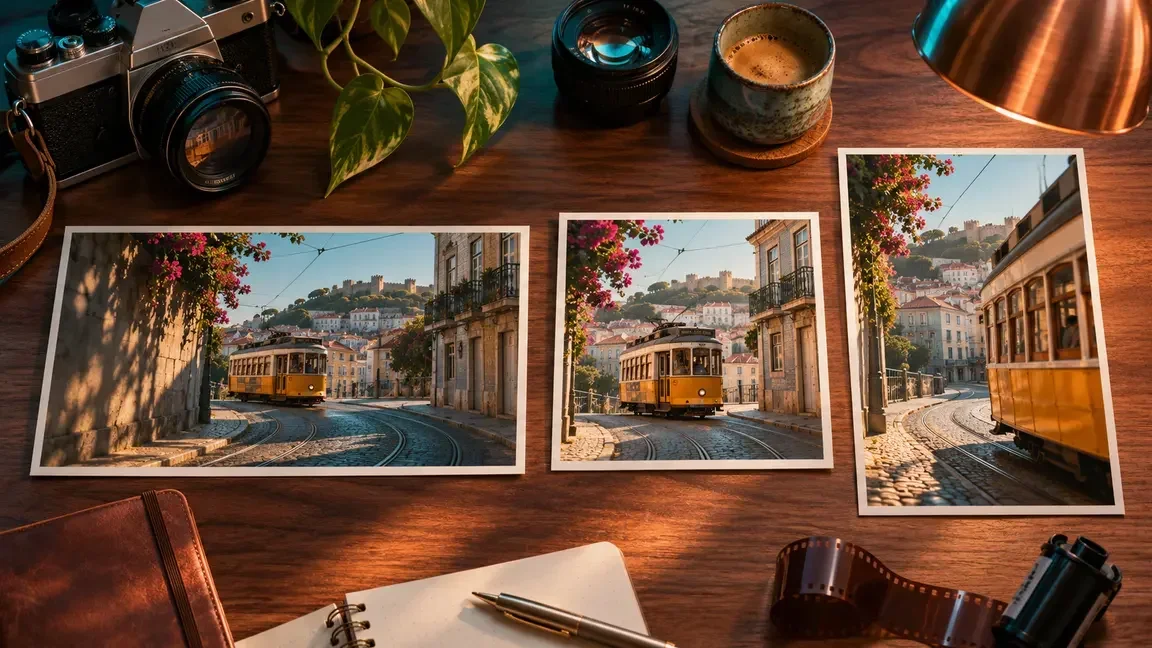
Mark the details each local team owns. They may need to change the product color, the opening setting, the voice, the captions, or the link on the final card. Put those choices in a shared version table before the edit locks. Give each alternate a named slot. For example, “end card” needs the product name, store address, and a readable hold. “Opening” needs the lamp opening clearly within the first few seconds.
Give each replaceable shot a clean join
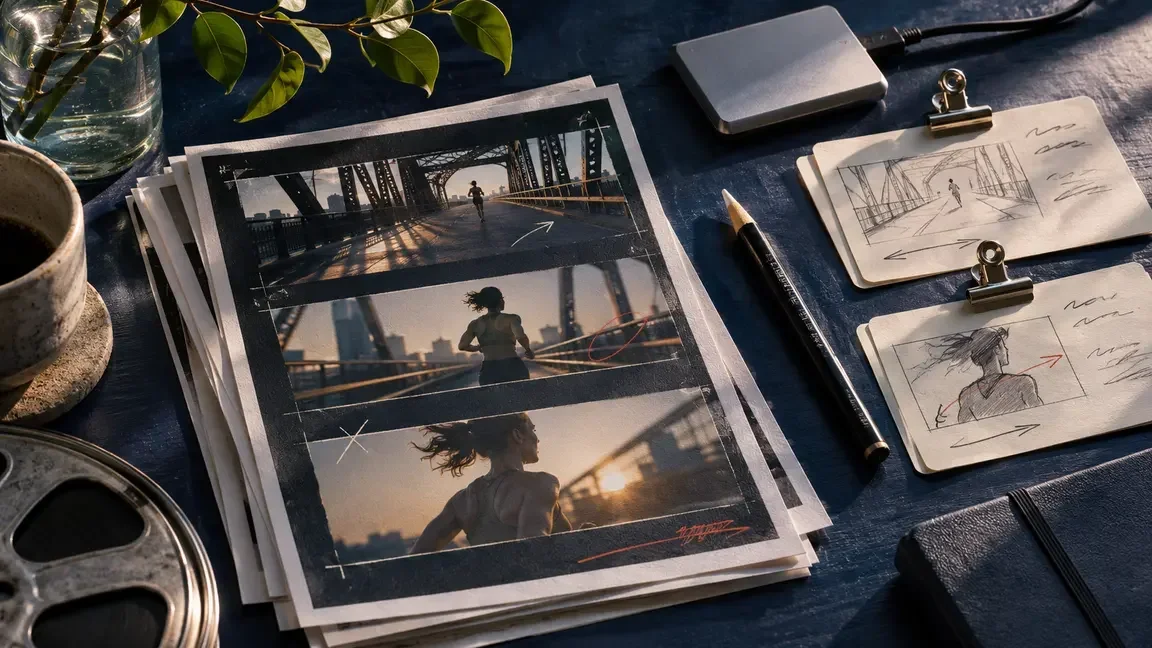
Cut the shared sequence with handles around the likely substitutions. For the lamp, the opening ends as the hinge seats. The next shot can begin once the hand leaves the frame, giving a different-color pickup a place to cut in. If a replacement shot cannot meet that join, use the edge of a page turn or a short insert between the two.
Keep localized text editable and separate it from the picture. Leave room on the end card for an actual sample of the longest approved text, and test that card at delivery size. If a product render has a printed name baked into it, treat that render as a market-specific shot. Avoid painting over letters at the end of the schedule when there is time to prepare a clean alternative now.
Let local audio shape the timing
A voice line may need more space in one version than another. Record or time a read before you commit to a fixed length. Avoid squeezing a natural delivery into a cut built to match a different script. Give yourself a beat you can shorten or extend, such as the look at the lit page, without interrupting the product demonstration.
Keep the music, practical sound, and voice on separate tracks. That makes it easier to create a fresh mix when the narration runs over a switch click or a page turn. Review the captions against the final recorded read and check that the important product action still works when the clip is muted.
Hand off a version someone can finish
For each market, share the approved sequence, the editable text, the approved audio read, and the specific replacement assets. Name the file with its locale and revision. Ask the regional reviewer to check the product match, the wording, and the destination together. A polished edit can still ship with the wrong store address if those approvals happen in isolation.
Run one version from source to final export early. The steps that require someone to search for a product image, ask for a missing audio stem, or rebuild a card are the places to fix before the remaining versions begin.